Buchosa Green Initiative
Youth-Led Climate Action and Environmental Conservation
Location: Buchosa District, Mwanza Region, Tanzania
Implemented by: Yapende Mazingira Foundation (YMF)
Project Overview
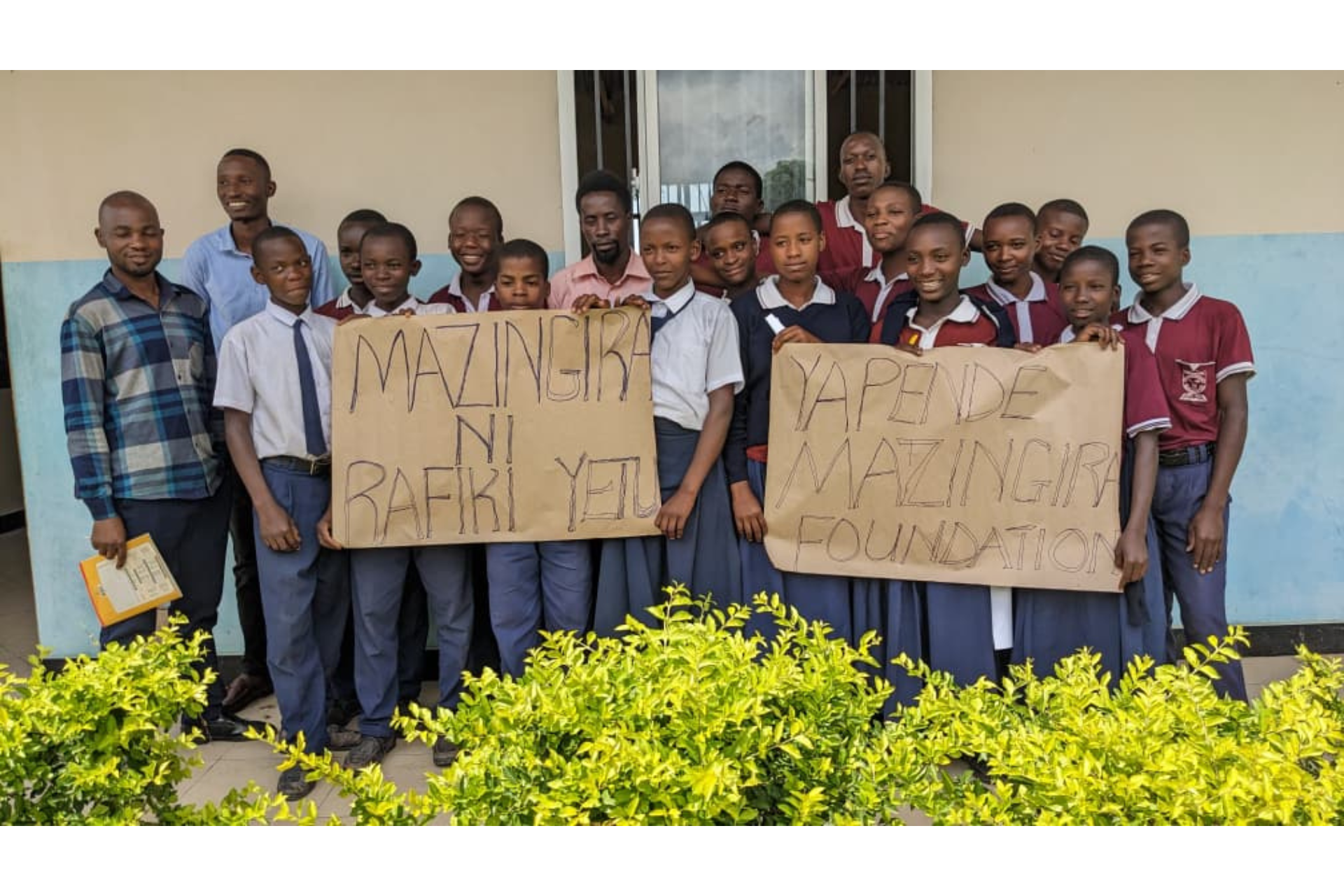
The Buchosa Green Initiative is a youth-centered environmental conservation and climate action project implemented by Yapende Mazingira Foundation in Buchosa District, Mwanza Region. The project aimed to strengthen environmental awareness among secondary school students while encouraging practical actions that support climate resilience and environmental sustainability.
Through training sessions, youth dialogues, environmental clubs, and tree planting activities, the project empowered students to become active participants in environmental protection within their schools and communities.
Project Objectives
The project was designed to:
Increase environmental awareness and climate literacy among young people
Encourage youth participation in climate action initiatives
Promote sustainable environmental practices in schools
Improve green cover through fruit tree planting
Establish environmental clubs to sustain climate awareness activities
Key Activities
Climate Education and Capacity Building
Yapende Mazingira Foundation conducted ten environmental and climate education training seminars across participating secondary schools. These sessions focused on improving students’ understanding of climate change, environmental protection, and sustainable resource management.
A total of 1,250 students and 30 teachers participated in these training sessions, exceeding the initial target of 1,000 students.
Youth Climate Dialogues
The project organized a series of youth climate dialogue sessions to create a platform where students could discuss environmental challenges affecting their communities.
Through these discussions, 180 students engaged in conversations about climate change impacts, environmental protection, sustainable waste management, and the importance of tree planting.
These sessions also strengthened students’ leadership, communication, and problem-solving skills.
Establishment of Environmental Clubs
To ensure long-term sustainability, the project supported the creation of five environmental conservation clubs in participating secondary schools.
These clubs now engage 250 students in environmental activities such as:
Tree planting and maintenance
School environmental clean-up campaigns
Environmental awareness sessions among fellow students
Teachers were also engaged as mentors to guide the clubs and support student-led environmental initiatives.
Fruit Tree Planting Initiative
Tree planting was a key component of the project. Students and teachers actively participated in planting fruit trees within school compounds.
The project successfully planted 1,000 fruit trees across participating schools, involving approximately 1,500 students and 18 teachers.
The trees will contribute to improving school green cover while also providing long-term nutritional and environmental benefits.
Project Impact
The project achieved significant results in promoting youth participation in environmental conservation:
80.9% of students demonstrated improved knowledge of environmental conservation and climate change
Environmental clubs created ongoing environmental activities within schools
Students developed leadership roles as environmental ambassadors
1,000 fruit trees contributed to improving green spaces within school environments
Conclusion
The Buchosa Green Initiative demonstrates how youth engagement can drive meaningful environmental change. By combining environmental education with practical conservation activities, the project helped create a generation of young leaders committed to protecting the environment and promoting sustainable development in their communities.